
A Guide to Original Printmaking Techniques
/Featuring artists from the ‘PRINT’ exhibition at Highgate Contemporary Art
Original printmaking involves creating artworks by hand using time-honoured methods where each print is an original—distinct from mass-produced or digital reproductions. Below are the primary techniques, their tools, processes, and real examples from the exhibition.
1. Relief Printing
In relief printing, the artist removes areas of a block so that the raised surface remains. Ink is applied to these raised areas, and the image is transferred by pressure.
Linocut (Reduction Linoprint)
Linocuts are created by carving into a sheet of linoleum using gouges. In a reduction linoprint, the artist prints multiple layers from a single block, carving more away between each colour layer. This process is irreversible, making each edition finite and unique.
Tools: Linoleum block, gouges, roller (brayer), press or baren
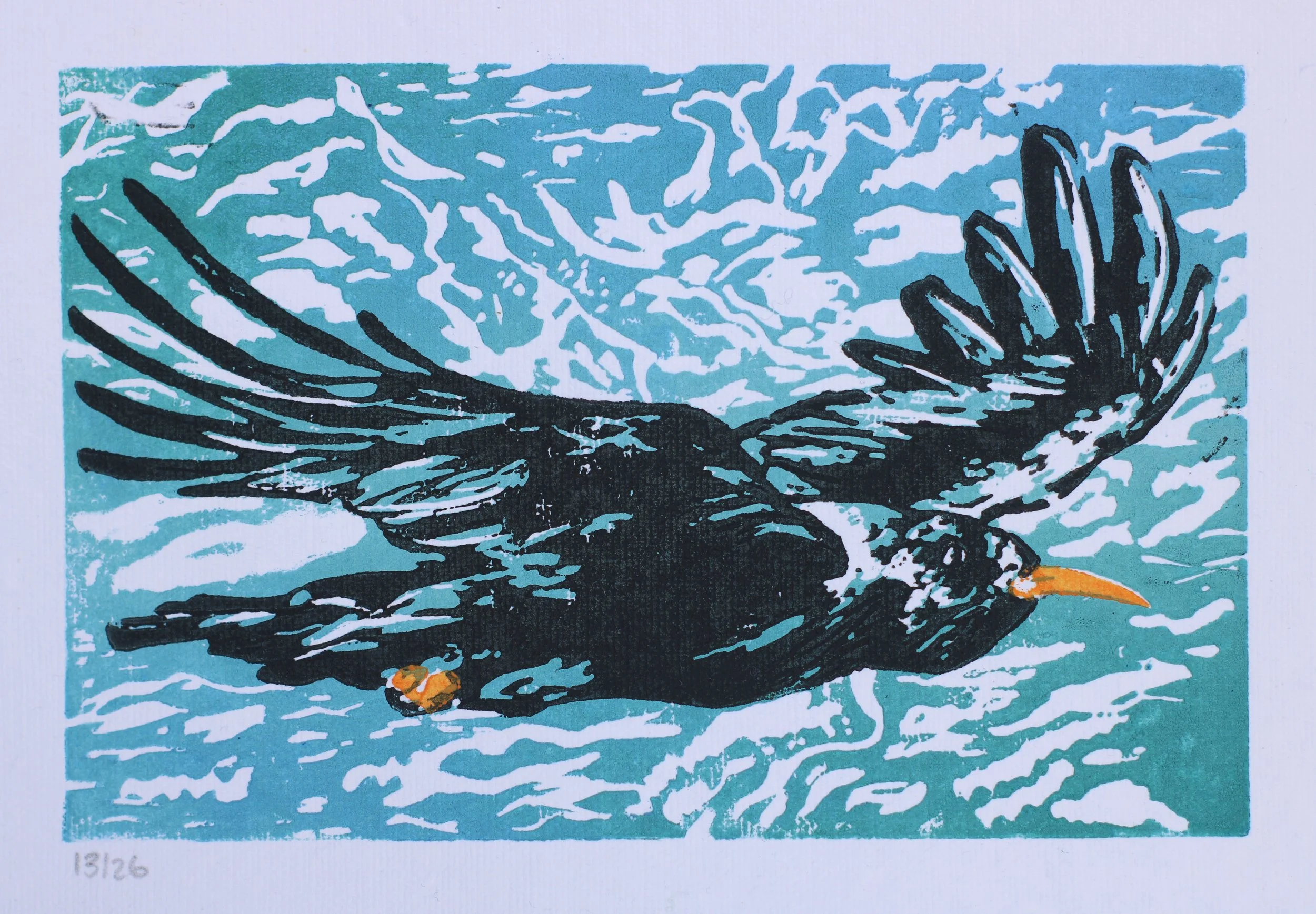
Example: Cornish Chough by Alice Game
This vibrant print was made using a reduction method to layer colours, capturing the energy of the bird in flight over crashing sea.
2. Intaglio Printing
Intaglio involves incising an image into a metal plate. Ink is pushed into these incised lines and the surface is wiped clean. Damp paper is pressed into the plate to lift the ink.
Etching
Etching uses acid to bite lines into a metal plate. The artist draws through a protective ground with a needle. The exposed metal is etched in an acid bath, then inked and printed.
Tools: Metal plate (zinc or copper), etching needle, acid, press
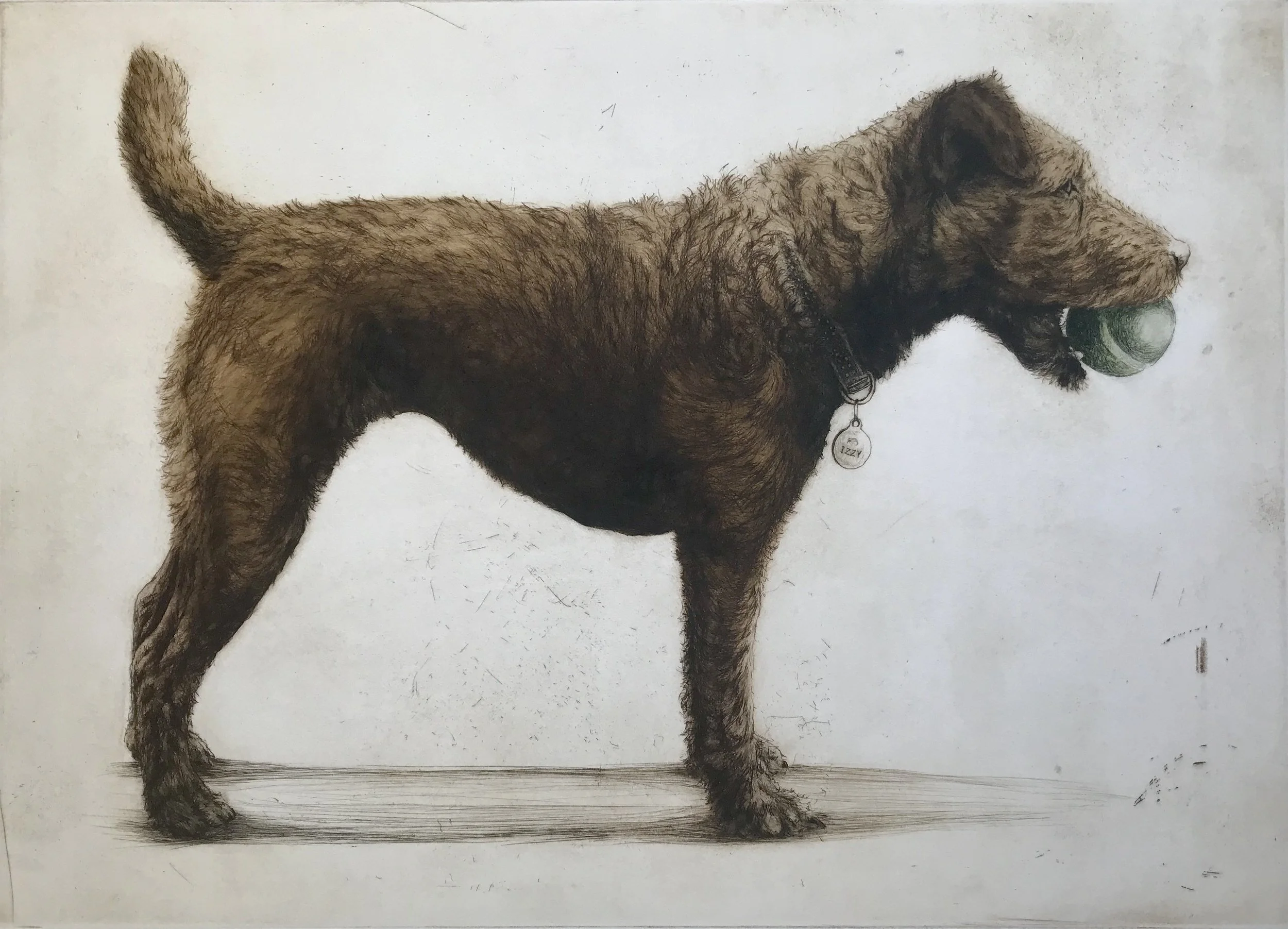
Example: Spino (Italian Spinoni) by Helen Fay
A rich and detailed portrait showcasing fine line work and tonal depth.
Drypoint
Drypoint is a direct technique where the image is scratched into the plate. The burr created by the needle gives the lines a soft, velvety quality.
Tools: Drypoint needle, metal or plastic plate, press
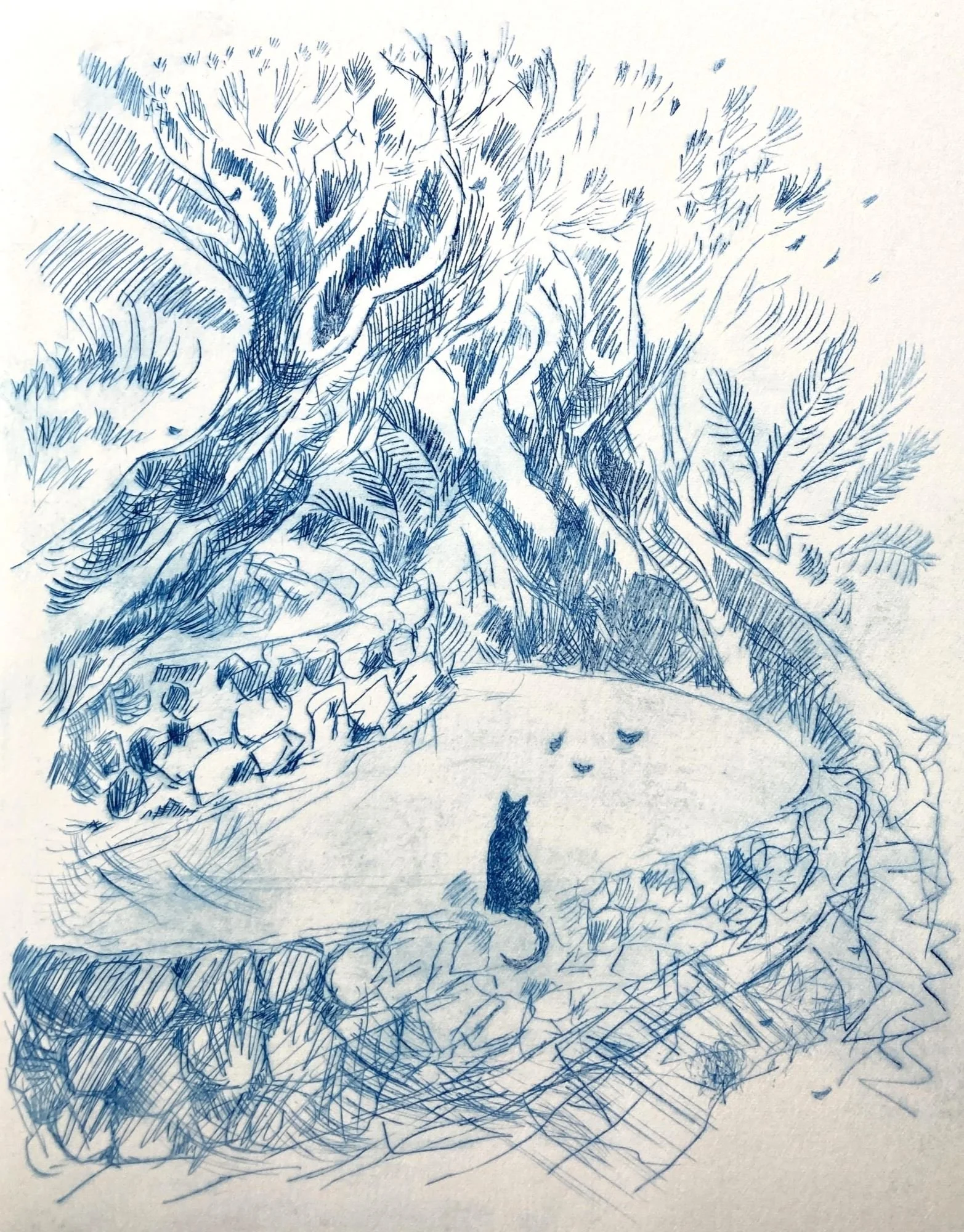
Example: Blue Cat among the Pine Trees by Maxine Dodd
The character of the cat and texture of the trees are conveyed through expressive, burr-rich lines.
Aquatint
Used for creating areas of tone, aquatint involves applying powdered resin to a metal plate. When heated and etched, the result is a grainy, tonal texture.
Tools: Resin, heat, acid, aquatint box

Example: Coastal Trees by Katie Brent
Moody and atmospheric, this print captures the bleak beauty of windswept terrain through nuanced tonal variation.
Sugar Lift & Chine-collé
Sugar lift allows for painterly marks in intaglio. A sugary solution is painted on, then the plate is aquatinted. Chine-collé involves printing on delicate paper bonded to a heavier backing during the printing process.

Example: London II by Yuet Yean Teo
A strikingly layered and contemporary use of classic intaglio and collage-like elements.
3. Planographic Printing
These techniques rely on the principle that water and oil do not mix. The printing surface remains entirely flat.
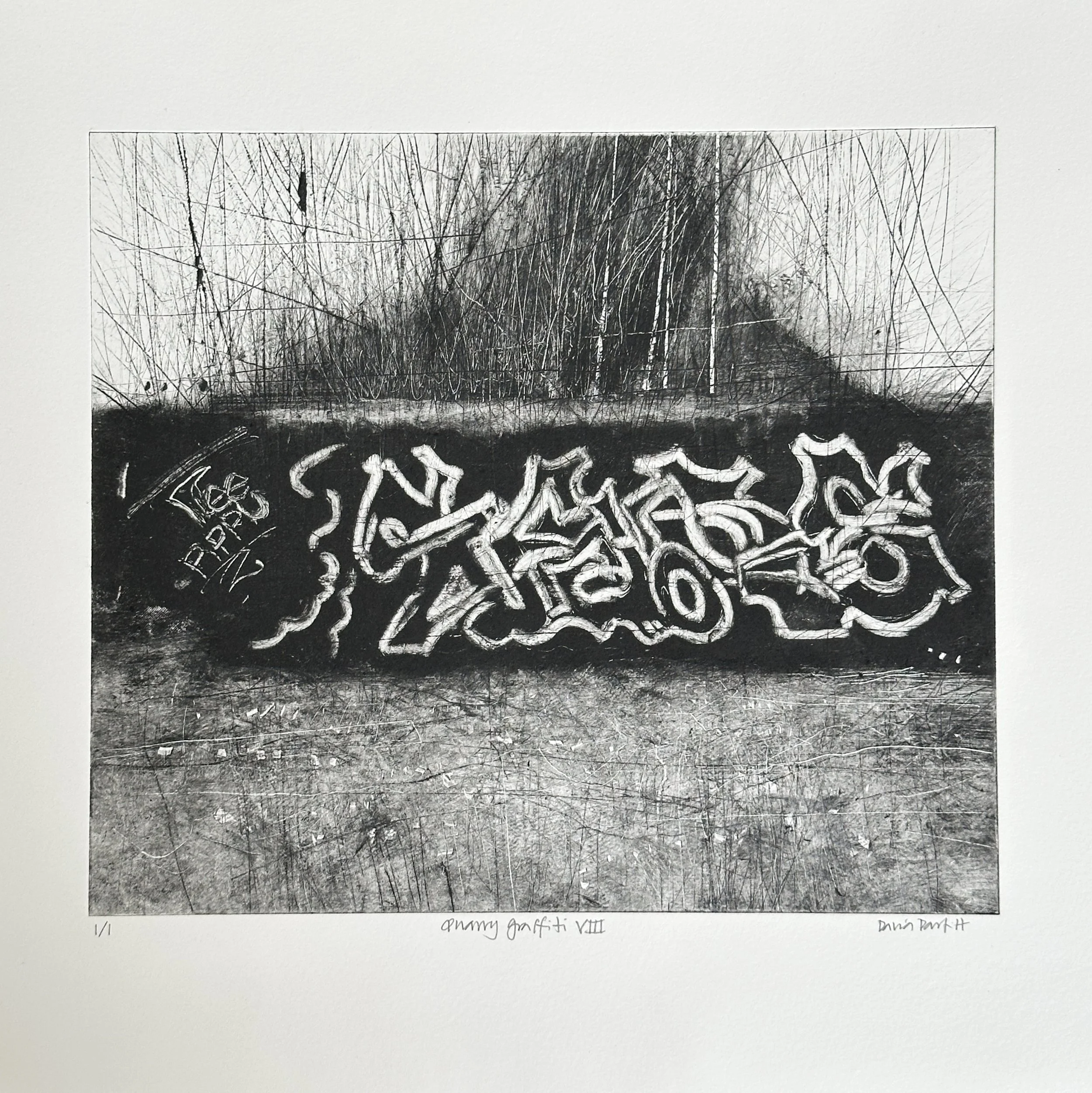
Monoprint
Monoprinting creates one-of-a-kind works. Ink or paint is applied to a smooth surface and manipulated before being transferred to paper. Variations include subtractive or additive techniques.
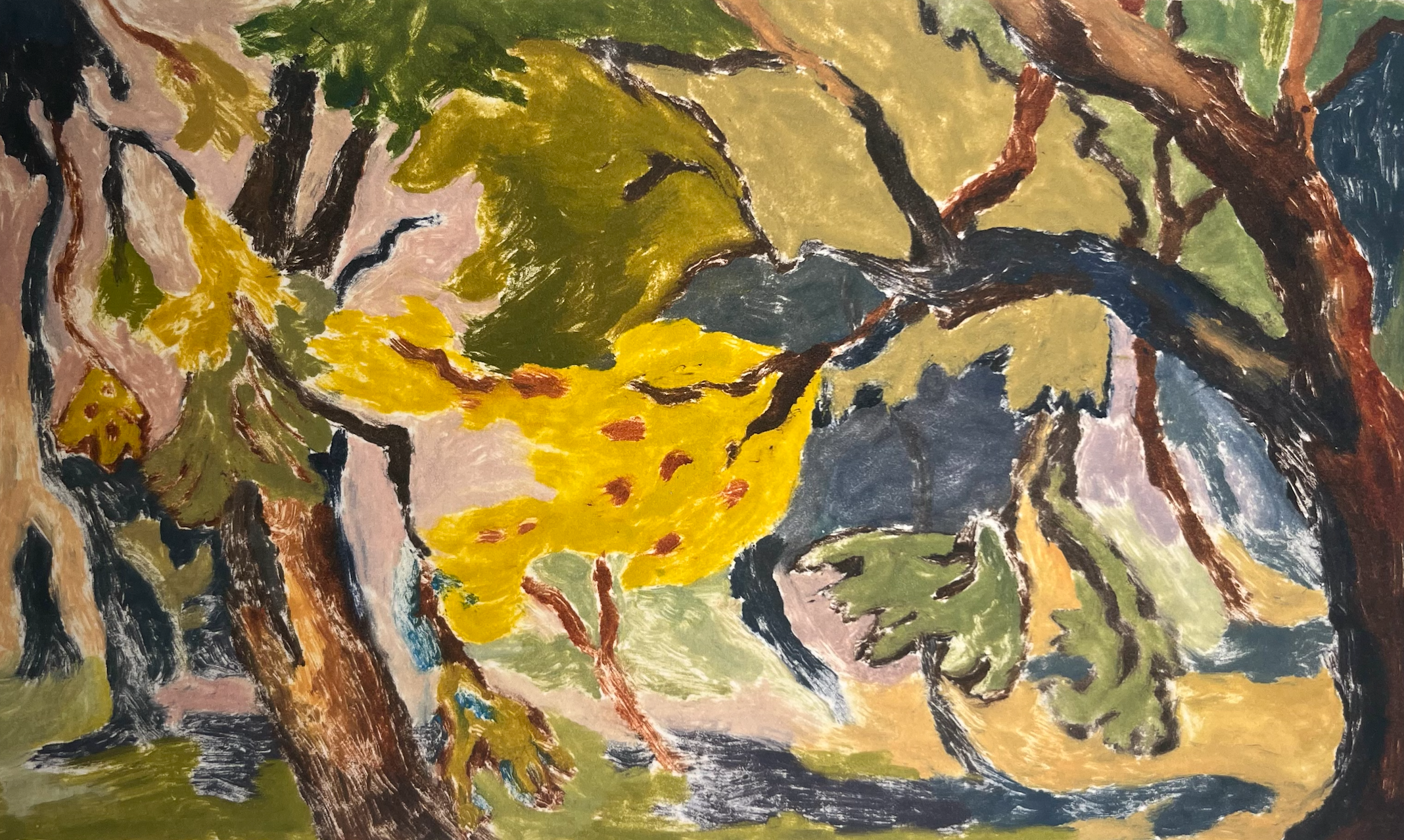
Example: Trees in the Wind, Wind in the Trees by Ollie Marr
This expressive work blends spontaneity and composition in a richly coloured painterly print.Example: Quarry Graffiti VIII by David A Parfitt
Abstracted layers of colour and shape emerge through painterly monoprint techniques.
Mezzotint
A labor-intensive intaglio process where the plate is roughened to print rich blacks, then smoothed with burnishers to create light areas.
Tools: Rocker, burnisher, mezzotint scraper
Example: Down from Ano Syros by Christine Watson
Deep tonal gradients and soft textures define this contemplative architectural scene.

4. Screen Printing (Stencil-Based)
Screen printing uses a mesh screen through which ink is pushed using a squeegee. Areas not to be printed are blocked with stencils or photo emulsion.
Hand-cut Stencil Screen Print
An intuitive method using hand-cut paper stencils for each layer of colour.

Example: In the Teal Light by Grace Taylor
Made with acrylic and print medium, this work captures fading memories in soft veils of colour.
Natural Ink Screen Print
Using sustainably sourced, handmade inks and fine mesh screens.

Example: Cherry by Will Valentine
A quiet celebration of natural forms and materials in minimalist composition.
Layered Screen Print with Graphic Elements
More experimental, often blending painterly and graphic forms in multi-layered designs.
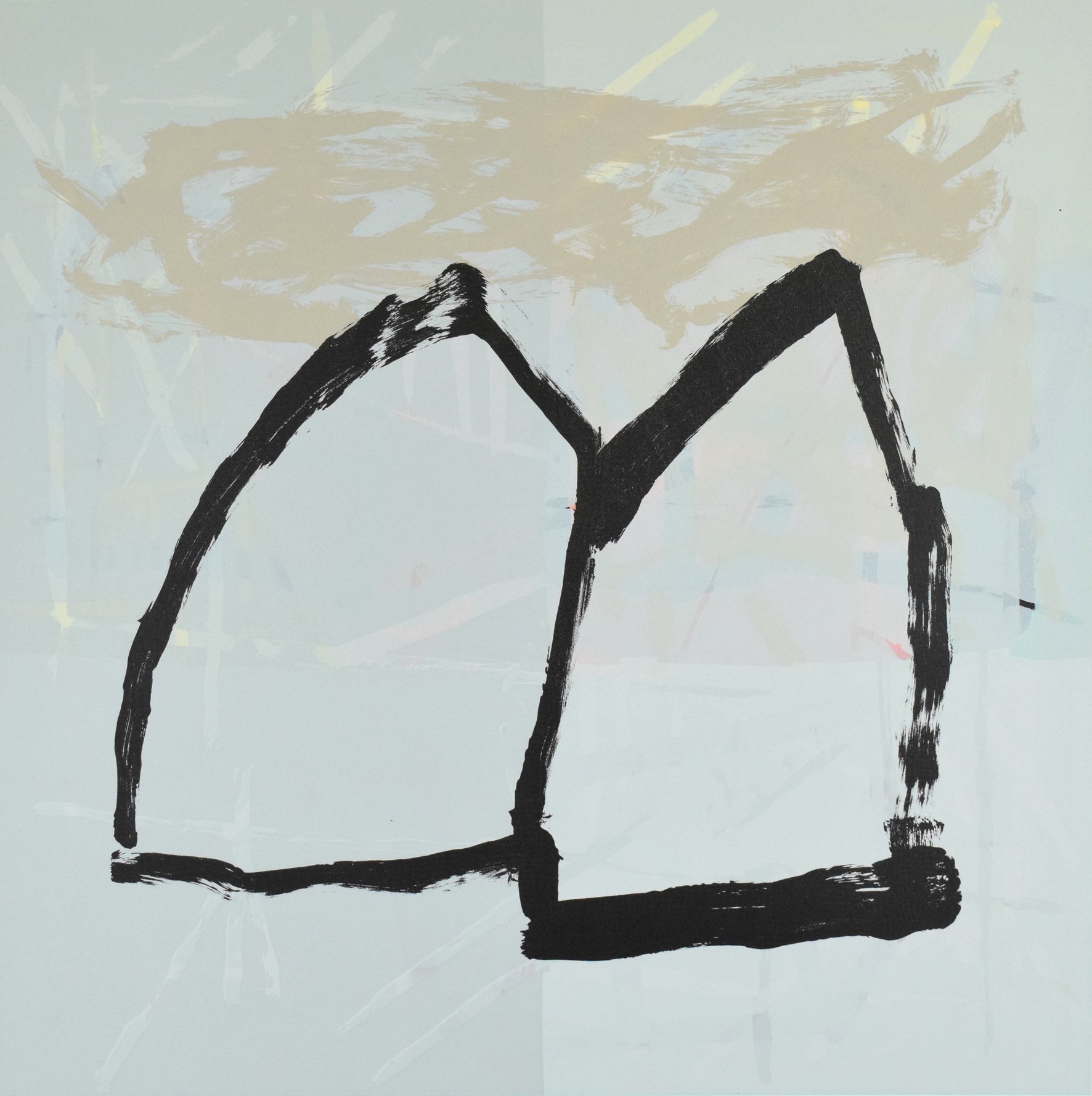
Example: Magical Emblem (History) by Michelle Griffiths
Bold, layered marks create a rhythmic, symbolic presence.
5. Carborundum Printing
A form of collagraph where grit (carborundum) is mixed with adhesive and applied to a plate. Ink is applied to the textured surface and printed.

Example: Branch & Bole by Ursula Leach
Rich texture and colour merge in this tactile, gestural interpretation of woodland forms.
Editioning and Originality
Each of these techniques allows the artist to create a number of original prints, known as an edition. Unlike copies or reproductions, every print in an edition is hand-pulled and may contain subtle variations, making each piece unique. Editions are typically signed and numbered (e.g. 3/25), and sometimes include artist proofs (marked A/P).
This exhibition demonstrates the diversity and vitality of contemporary printmaking. From the bold precision of relief to the tonal richness of intaglio, the spontaneity of monoprints to the layered complexity of screen prints. Each technique offers unique expressive potential.